Dairy Digestion Calculator
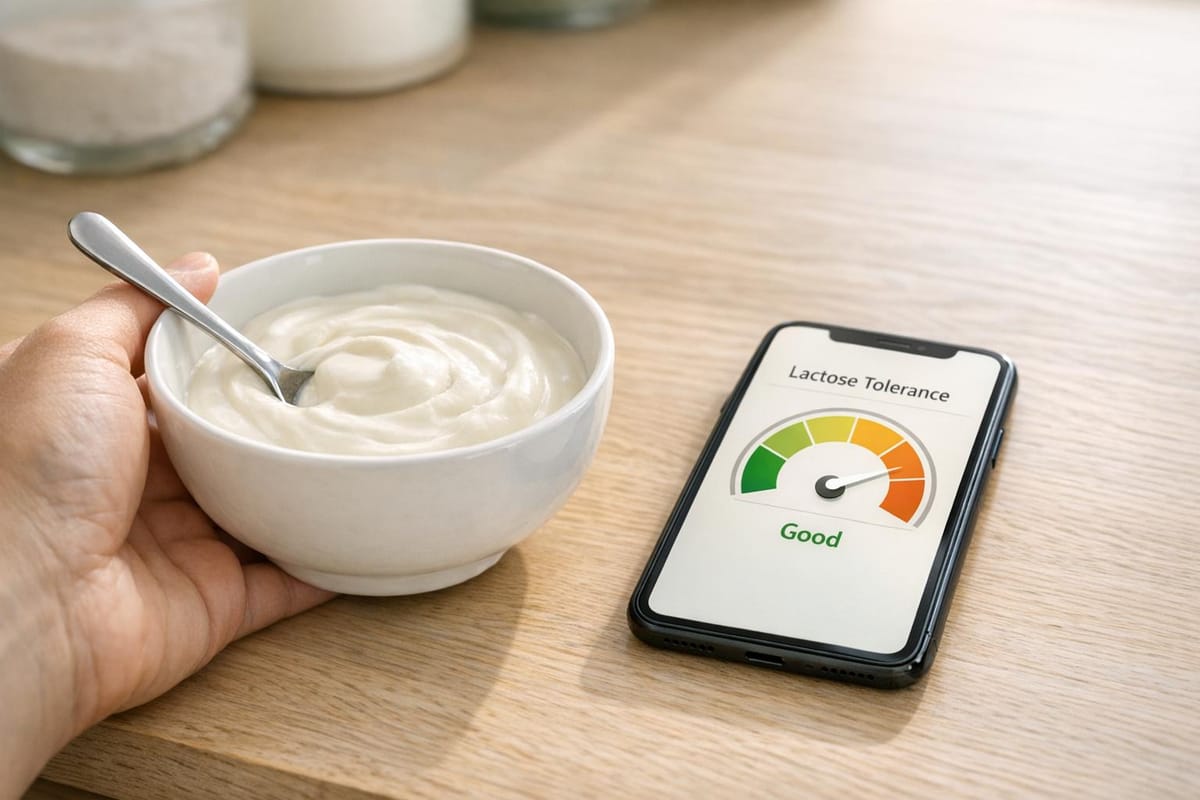
Wondering if that dairy snack is safe? Use our Dairy Digestion Calculator to estimate your lactose tolerance and avoid discomfort!
Understanding Lactose Sensitivity with a Dairy Digestion Tool
Navigating dairy can be tricky if you’re unsure how much lactose your body can handle. Many people experience discomfort after enjoying milk, cheese, or yogurt, often without a clear idea of their limits. That’s where a tool to estimate lactose tolerance comes in handy—it offers a practical way to gauge whether your next dairy treat might lead to bloating or other issues.
Why Tracking Dairy Intake Matters
Lactose, a sugar found in dairy products, requires the enzyme lactase to break down in your system. If your body doesn’t produce enough lactase, undigested lactose can cause gas, cramps, or worse. While some folks can sip a latte with no problem, others struggle with even a small serving. A dairy sensitivity estimator helps bridge that gap by providing a quick check before you indulge.
Beyond the Tool: Listening to Your Body
No calculator can replace tuning into your own signals. Start with small portions, note how you feel, and adjust accordingly. Pairing this awareness with a simple guide for managing dairy intake can make meals less stressful and more enjoyable. If symptoms persist, a chat with a dietitian or doctor can uncover deeper insights tailored to you.
FAQs
How accurate is this Dairy Digestion Calculator?
This tool provides a rough estimate based on general lactose content in common dairy products and typical tolerance thresholds. It’s not a medical diagnosis, though. Everyone’s body reacts differently, so while it can guide you, always pay attention to how you feel after eating dairy and talk to a healthcare provider if you’re unsure.
What if I don’t know my lactose tolerance level?
That’s okay! Start by picking a level based on past experiences—do you often feel bloated or uncomfortable after dairy? If it’s rare, try 'High'; if it’s frequent, go with 'Low' or 'Moderate.' Use the tool as a starting point, test small amounts, and adjust as you learn more about your body’s limits.
Can this tool help me avoid lactose intolerance symptoms?
It’s designed to give you a heads-up before you dig into that ice cream or cheese. By comparing your planned dairy intake against estimated tolerance levels, you’ll get a sense of whether you’re in a safe zone or pushing your luck. That said, it’s just a guide—keep an eye on symptoms like bloating or cramps, and don’t hesitate to reach out to a doctor for personalized advice.