Lactose Content Analyzer
Estimate lactose in your meals with our easy tool! Select dairy products, input quantities, and get a detailed breakdown instantly.
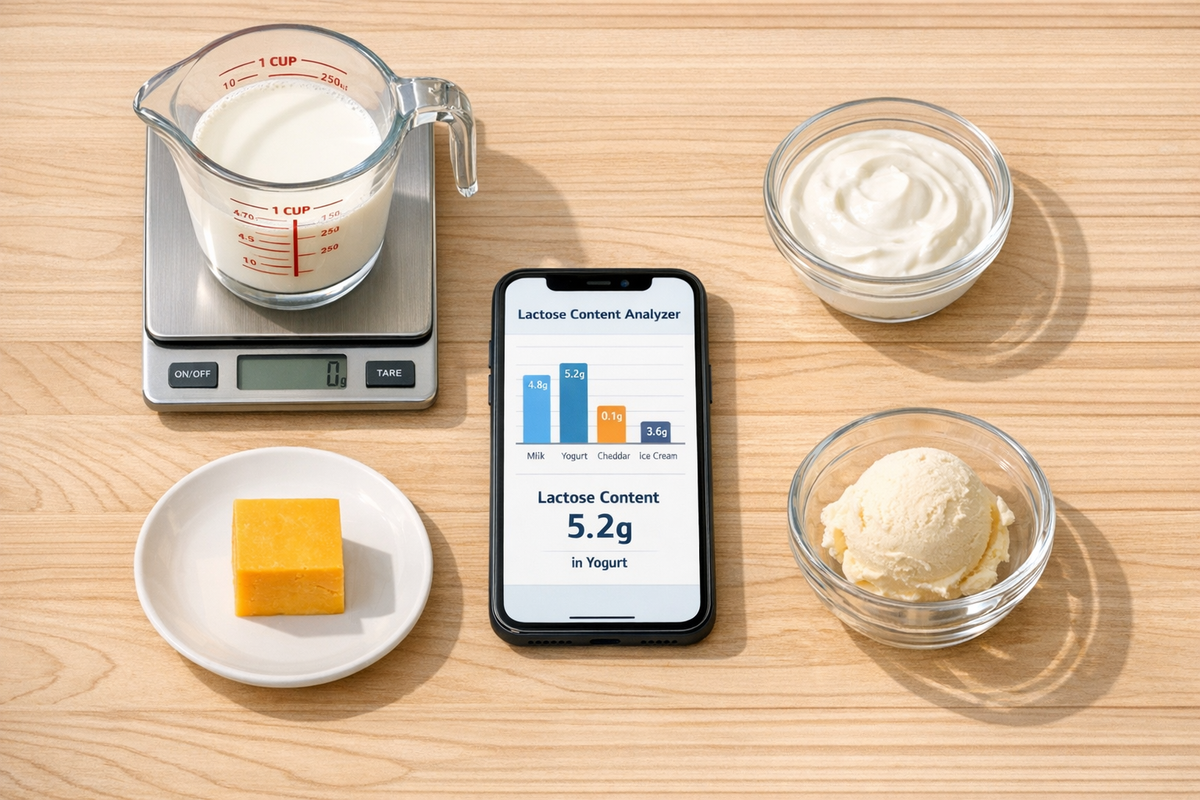
Understanding Lactose in Your Diet with a Handy Tracker
Managing dairy intake can be tricky, especially if you’re sensitive to lactose or just trying to keep tabs on what you eat. That’s where a tool like our dairy content estimator comes in, offering a straightforward way to gauge how much lactose is in your meals. Whether you’re whipping up a creamy pasta dish or enjoying a glass of milk with breakfast, knowing the numbers can help you make informed choices.
Why Track Dairy Content?
Lactose, a sugar found in milk and other dairy products, can cause bloating or discomfort for many people. Even if you’re not diagnosed with intolerance, you might notice subtle effects after certain foods. By using a simple calculator to estimate lactose levels, you gain clarity on what’s in your plate—without needing to dive into complex nutrition labels. It’s especially useful for planning meals ahead or tweaking portions to suit your body’s needs.
Beyond the Numbers
While tools provide a helpful starting point, everyone’s tolerance is unique. Pairing this knowledge with advice from a nutrition expert ensures you’re not just guessing but building a diet that feels right for you.
FAQs
How accurate is this lactose content analyzer?
Our tool uses a static database with average lactose values for common dairy products, like 12g per cup of milk or 0.1g per tablespoon of butter. While it’s a solid estimate for general use, actual lactose content can vary slightly based on brands or processing methods. It’s best used as a guide, and if you’re highly sensitive or have specific dietary needs, chatting with a dietitian can provide more tailored advice.
Can I add custom foods to the list?
At the moment, our tool works with a predefined list of common dairy products to keep calculations straightforward and reliable. We’ve included staples like milk, cheese, yogurt, and butter to cover most meals. If there’s a specific item you’d like to see added, feel free to drop us a suggestion—we’re always looking to improve!
What should I do if my lactose total seems high?
If the total lactose content from your meal looks high and you’re worried about discomfort, remember that tolerance levels vary widely from person to person. Some folks can handle small amounts without issue, while others need to be more cautious. Start by reducing portions of high-lactose items like milk, or pair them with other foods to slow digestion. If symptoms persist, a dietitian or doctor can help you figure out a plan that works for you.